Danube Water Forum 2026
Content
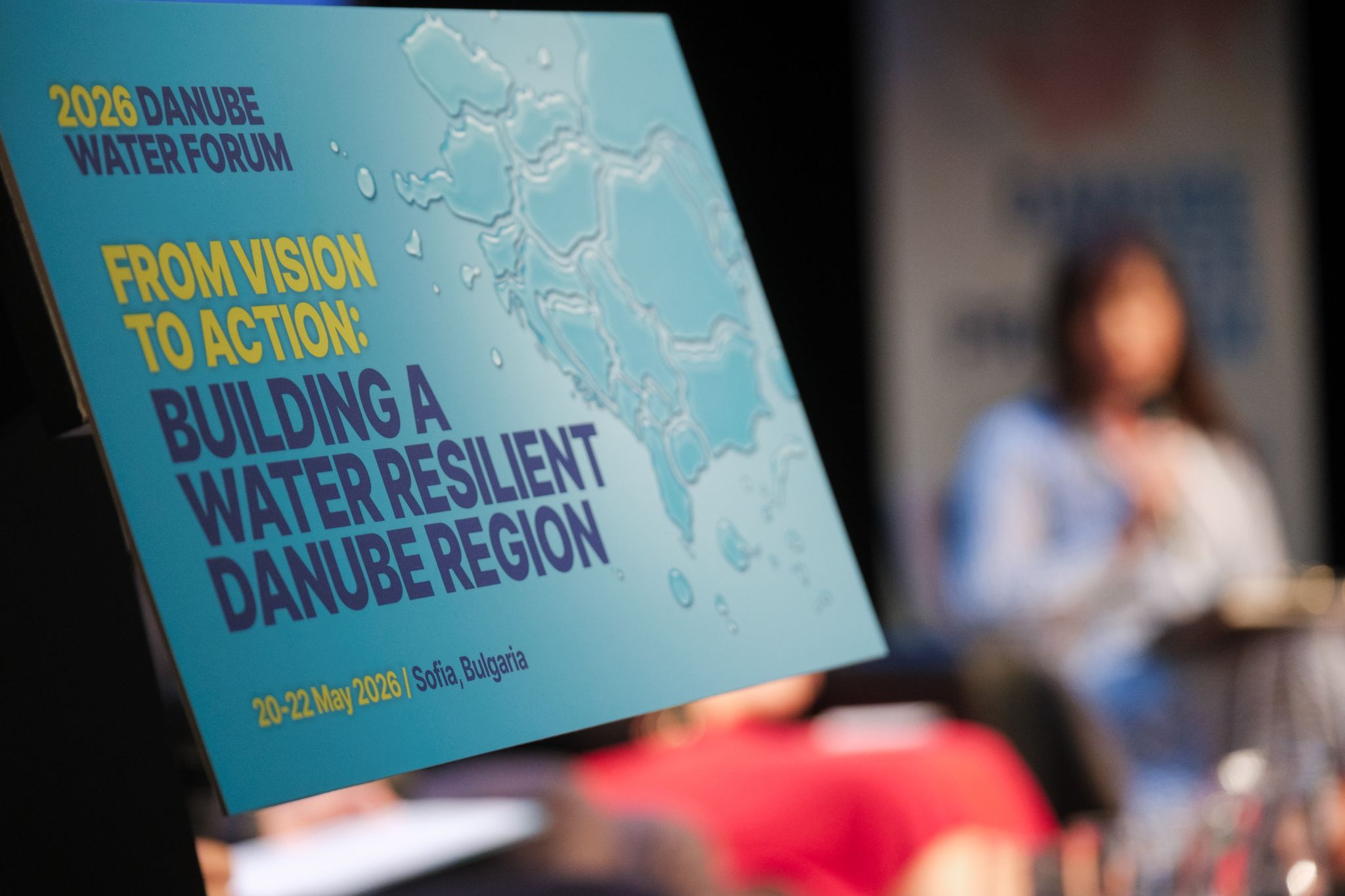
With a focus on regenerable adsorbent-based drinking water treatment, we participated in the 2026 Danube Water Forum, an international professional event held in Sofia, Bulgaria, between 20–22 May 2026.
Organised under the title “From Vision to Action: Building a Water-Resilient Danube Region”, the forum explored what water resilience means in practice for water utilities across the Danube Region, with particular emphasis on the impacts of climate change, drinking water security, and the development of sustainable water infrastructure.
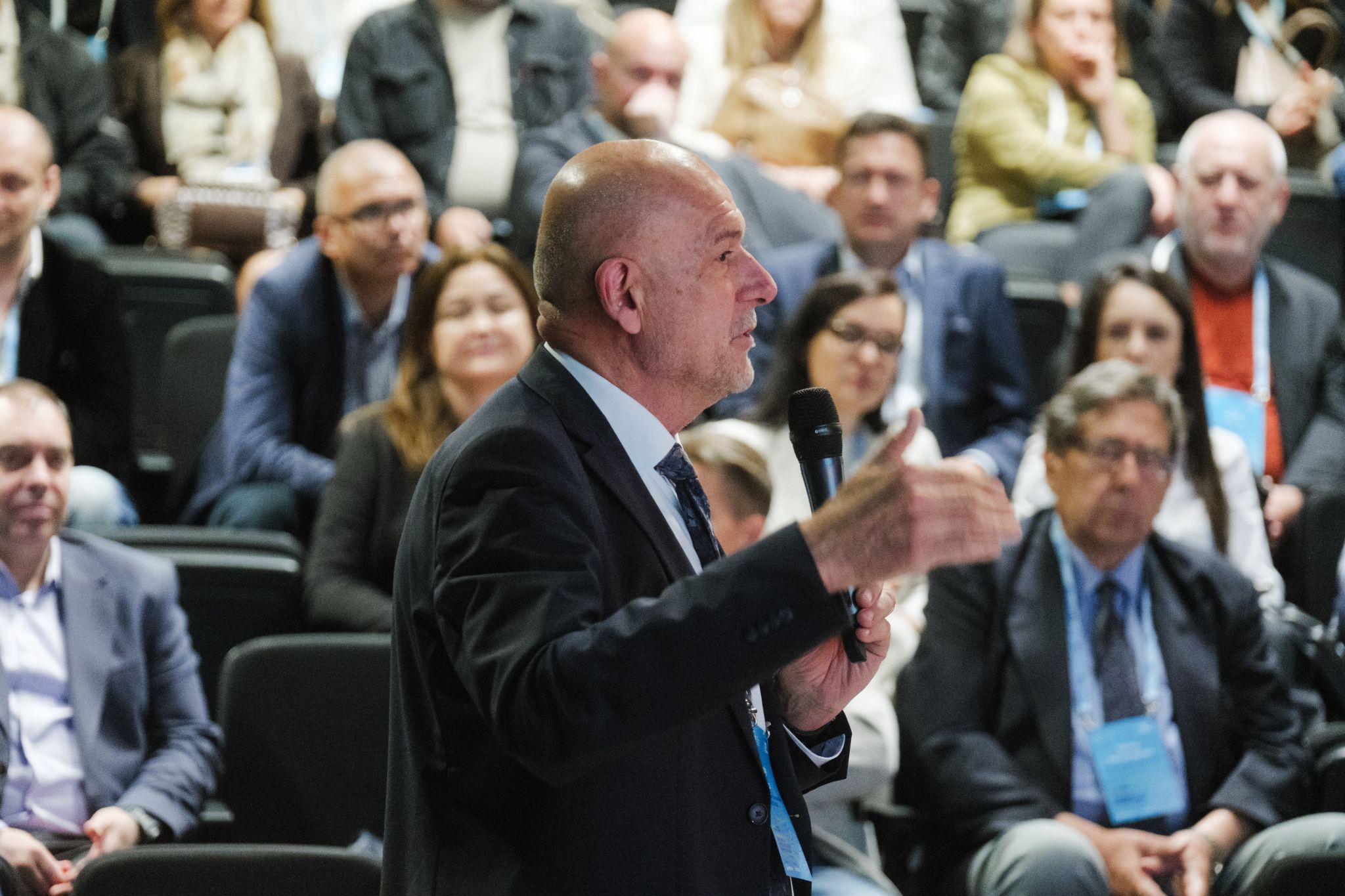
As part of the forum programme, Dr Károly Kovács, Managing Director of Puraset Ltd. and President of both the Hungarian Water and Wastewater Technology Association (MaSzeSz) and the Hungarian Water Partnership (HWP), delivered a presentation entitled “How to select the least-cost solution for arsenic removal.”
One of the key messages of the presentation was that evaluating water infrastructure investments based solely on capital expenditure is not sufficient. To select systems that are both sustainable and economically viable, it is essential to consider the full life-cycle costs, including operation, maintenance, replacement and management expenses.
The case study demonstrated that regenerable adsorbent technologies – such as the AsMET arsenic removal media – offer significant advantages over conventional treatment methods from both economic and environmental perspectives. The ability to regenerate the media reduces waste generation, supports circular economy principles and can lead to substantially lower operating costs over the long term.
We firmly believe that future water infrastructure development will increasingly rely on solutions that are not only technically effective but also provide sustainable and cost-efficient performance throughout their entire life cycle.
Image gallery

Arsenic removal in Cociuba
Image gallery

Intro
Cociuba Water Treatment Plant – Ammonium and Arsenic Removal Technology
Properties
- Subtitle
Vietnam Arsenic removal
Image gallery

Intro
Our expansion into the Far East began with Vietnam, where arsenic contamination of drinking water is a huge problem
Properties
- Subtitle